
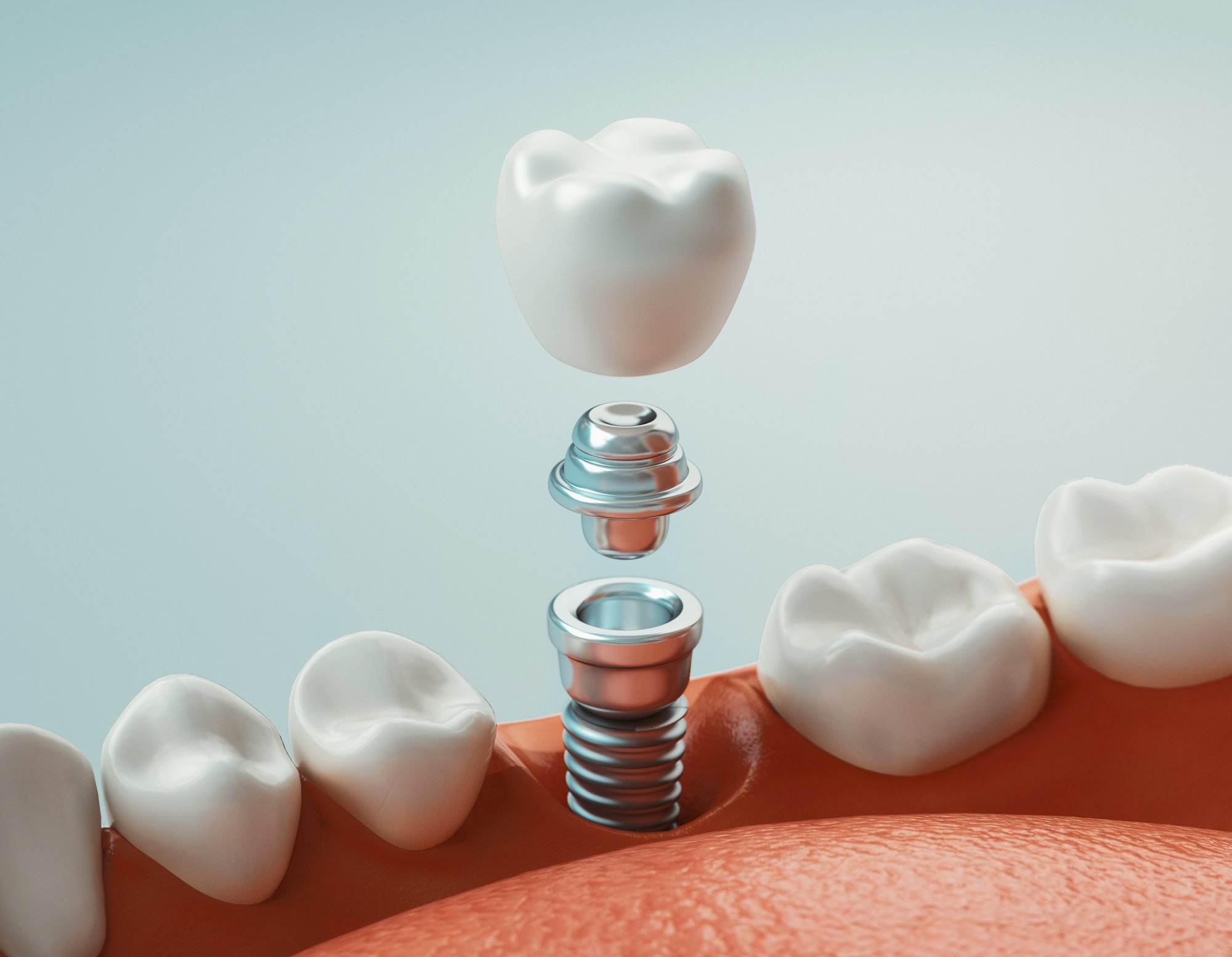
Considering an implant but worried it might not last? The reassuring news is that dental implants succeed the vast majority of the time, and the rare early failures usually stem from causes you can influence. When dental implants fail soon after placement, it is most often because the implant did not fuse properly with the jawbone. A dental implant is a titanium post placed in the jaw that bonds with the bone to support a replacement tooth. Understanding what threatens that bond is the key to protecting your investment.
Key Takeaways
- Early implant failure most often means the implant did not fuse with the bone, called osseointegration.
- Infection around the implant, known as peri-implantitis, is a leading cause of failure.
- Smoking slows healing and significantly raises the risk of implant failure.
- Poor bone quality or quantity can keep an implant from anchoring securely.
- Good oral hygiene and follow-up care prevent the large majority of implant problems.
Why Do Dental Implants Fail Early?
Early failure comes down to a bond that never fully formed. According to the Cleveland Clinic, a dental implant works because the jawbone grows around the post and locks it in place, a process called osseointegration. When that process is disrupted, the implant stays loose instead of becoming a stable foundation. Infection at the surgical site, movement of the implant before it heals, and poor bone quality can all interfere with osseointegration.
Because the fusion happens in the first weeks and months, most early failures appear during that healing window. Careful planning and imaging before surgery are what give osseointegration the best chance to take hold. Age itself is rarely the deciding factor; what matters most is the quality of the bone and the health of the gums.
What Causes an Implant to Fail?
Several factors raise the risk, and many overlap. Peri-implantitis, an infection of the gum and bone around the implant, is one of the most common, and it often follows plaque buildup and poor hygiene. Smoking is another major threat, since it restricts blood flow and slows the healing an implant depends on. Uncontrolled conditions like diabetes, grinding that overloads the implant, and insufficient bone can each undermine success. Certain medications and heavy chewing pressure too soon after surgery can interfere with healing as well. Grinding and clenching, known as bruxism, can overload an implant before it has fully settled, which is why a night guard is sometimes recommended. Even the position and angle of the implant play a role, which is why careful placement matters so much. The encouraging part is that most of these risks are manageable, whether by quitting smoking, controlling blood sugar, or wearing a night guard against grinding.
What Are the Signs of a Failing Implant?
Catching trouble early gives an implant the best chance of being saved. Warning signs include persistent pain or swelling beyond the normal healing period, gums that stay red or bleed around the implant, and an implant that feels loose. A bad taste, discharge, or difficulty chewing can also signal infection.
A small amount of soreness and swelling in the first days is normal, while symptoms that appear or worsen weeks later are the ones to watch. Any of these deserves prompt attention, since early treatment can sometimes reverse the problem before the implant is lost. Comparing dental X-rays over time is one of the most reliable ways to catch bone loss around an implant before it becomes visible or painful.
How Can You Lower Your Risk of Implant Failure?
Most of what protects an implant is within your control. Keeping the implant and gums clean with daily brushing and flossing prevents the plaque that leads to peri-implantitis. Avoiding tobacco, managing conditions like diabetes, and wearing a night guard if you grind all support healing and long-term stability. Keeping up with professional cleanings and checkups lets a dentist catch small issues before they threaten the implant.
Choosing an experienced provider for the placement matters too, since precise positioning and healthy bone are the foundation of a lasting result. Being honest with a dentist about your health history and any medications you take also helps them plan around anything that could affect healing. Keeping up with cleanings designed for implants, sometimes called peri-implant maintenance, keeps the surrounding tissue healthy for the long term.
Protecting an Implant for the Long Haul
Most implants last for decades, so understanding why dental implants fail is less about worry than about prevention. The early risks, failed osseointegration, infection, smoking, and poor bone support, are largely within reach of good planning and good care. Dental implants reward daily hygiene, honest health information, and regular checkups with a result that can last a lifetime. When the foundation is protected from the start, early failure becomes a rare exception rather than a real concern. With modern planning and attentive care, the odds are firmly on your side.
If you want to learn more about why dental implants fail, visit our Dental Implants in Laguna Niguel, CA page or schedule a consultation.