
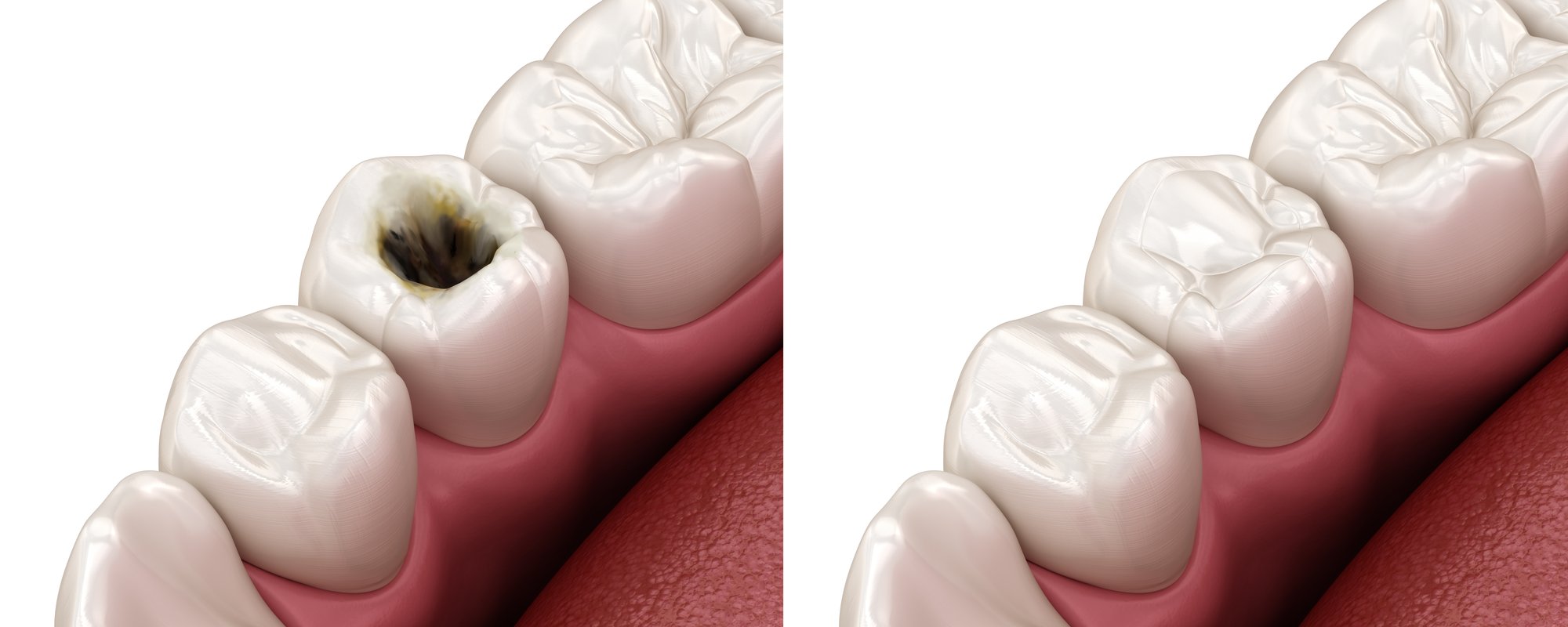
Wondering whether the material used to fill a cavity actually matters to your overall health? For patients drawn to a holistic approach, it often matters a great deal. Biocompatible dental fillings repair decay using materials selected because the body tolerates them with minimal risk of irritation, sensitivity, or reaction. Dental fillings of this kind favor metal-free options such as composite resin, glass ionomer, and ceramic over traditional amalgam. The goal is a repair that restores the tooth while fitting comfortably within your broader wellness picture.
Key Takeaways
- Biocompatible fillings use materials chosen for how well the body tolerates them.
- Tooth-colored composite resin is the most widely used metal-free filling material.
- Many modern composites are formulated without BPA, which some patients prefer to avoid.
- Ceramic inlays and glass ionomer serve as alternatives depending on the tooth.
- The right material depends on cavity size, location, and individual sensitivities.
What Makes a Filling Material Biocompatible?
A biocompatible filling sits in the mouth for years without provoking a harmful response from the surrounding tissue. Materials are evaluated on how they interact with the tooth, the gums, and the immune system over the long term, not just on how well they seal a cavity.
The strongest options are stable, resist corrosion, and are unlikely to trigger sensitivity or inflammation in the tissue around them. That pairing of durability and tissue friendliness is what distinguishes a biocompatible material from one chosen purely for strength. For patients with known sensitivities, testing is sometimes done ahead of time to confirm a good match before any work begins.
Which Filling Materials Qualify?
Composite resin leads the list and handles the majority of cases. According to MouthHealthy from the American Dental Association, composite fillings blend with the natural color of your teeth, which is a large part of why so many patients choose them. The resin bonds directly to the tooth structure, meaning less healthy enamel has to be removed during preparation.
Glass ionomer is another tooth-colored option, and it slowly releases fluoride into the surrounding tooth, which makes it useful in specific situations. Ceramic inlays and onlays, typically made from porcelain or zirconia, handle larger areas of damage where a standard filling would leave the tooth vulnerable. Each material has a role, so the selection depends on what the tooth actually needs.
Why Do Patients Choose Metal-Free Fillings?
The reasons run both practical and personal. Some patients have documented metal sensitivities and want to eliminate the possibility of a reaction entirely. Others simply prefer that a repair blend into the smile rather than showing as a dark spot every time they laugh. Many are drawn to the holistic principle of keeping dental work consistent with the rest of their health decisions. A dentist reviews your medical history and any known sensitivities before recommending a material, and biocompatibility testing is available for patients who want additional certainty.
How Do They Compare on Durability?
Modern composites have improved substantially over earlier generations. They hold up well to normal chewing forces and commonly last a decade or more with good care, particularly on small to moderate cavities. For a large cavity in a molar that absorbs heavy load, a ceramic inlay or onlay is frequently the sturdier choice, since a lab-made piece distributes force more evenly across the tooth. Grinding shortens the lifespan of any restoration, which is why a mouth guard often accompanies extensive work. The material and the specific tooth should be matched deliberately rather than by default.
Frequently Asked Questions
Are biocompatible fillings safe?
Yes. They are selected specifically because the body tolerates them well, and materials like composite resin and porcelain have long, well-documented track records in dentistry.
Do tooth-colored fillings last as long as metal ones?
Modern composites perform well and often last a decade or more. For very large cavities, a ceramic inlay may be recommended for added durability.
Can old metal fillings be replaced with biocompatible ones?
Often, yes. Existing restorations can usually be replaced with composite or ceramic, though the timing and technique depend on the condition of each individual tooth.
How Is the Right Material Chosen?
It depends on the tooth, its role in your bite, and your personal health picture. A small cavity on a front tooth that shows when you smile has different requirements than a large one on a molar grinding through every meal. The size and depth of the decay shape the decision as much as anything, since larger damage may call for an inlay rather than a direct filling. A dentist weighs your history, your sensitivities, and your preferences before making a recommendation, so the conversation tends to cover more than just the tooth in front of you.
Repairs That Work With Your Body
Biocompatible dental fillings rest on a straightforward idea: repairing a tooth should not come at the expense of how you feel overall. Composite resin, glass ionomer, and ceramic all deliver durable, natural-looking results with a low risk of reaction. Dental fillings chosen this way reflect the holistic principle of matching the material to the patient rather than reaching for a default. Understanding what your options are, and why each gets recommended, puts you in a much stronger position when it comes time to decide.
If you want to learn more about biocompatible dental fillings, visit our Dental Fillings in Laguna Niguel, CA page or schedule a consultation.