
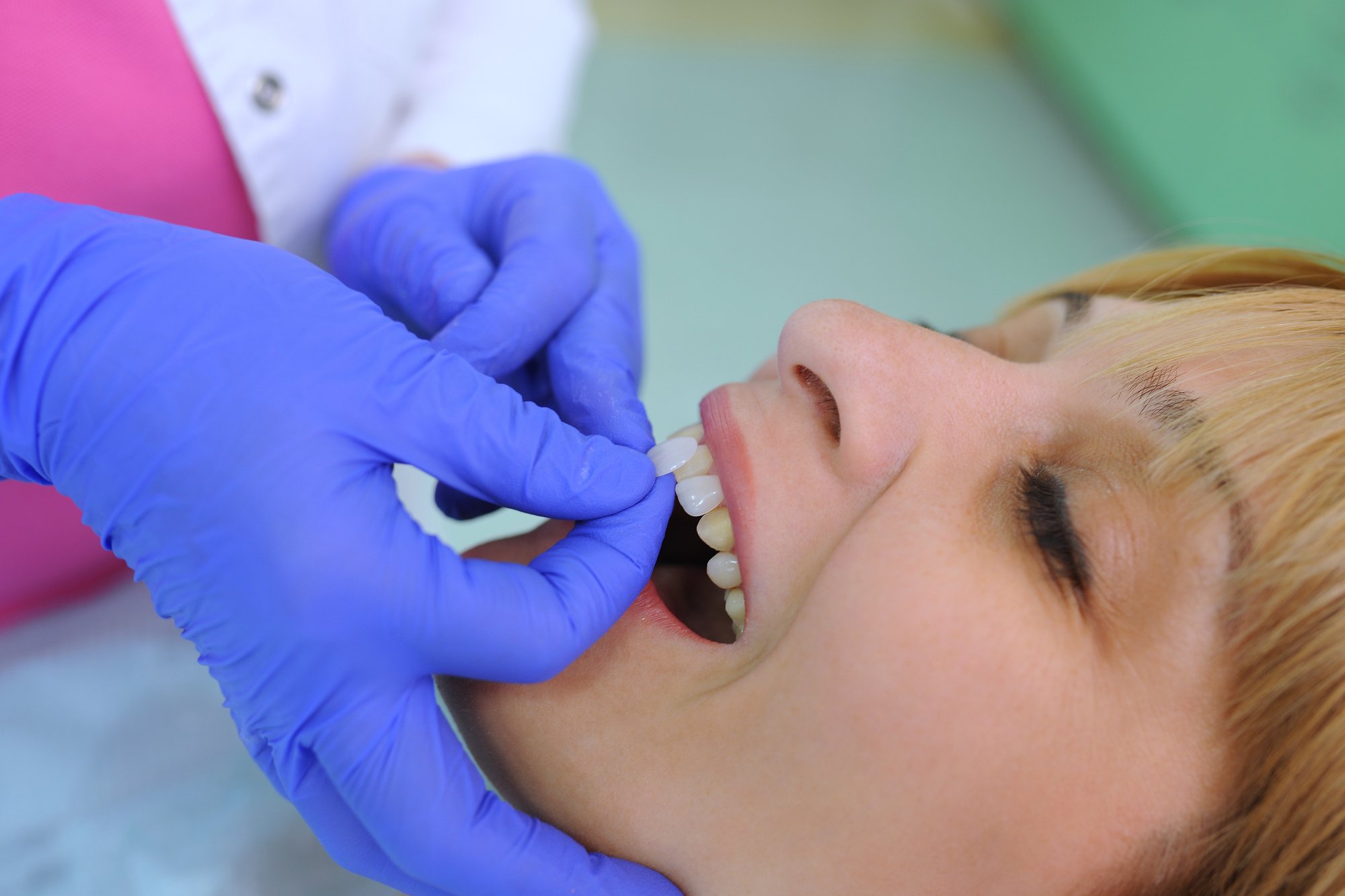
Want to fix a chip or gap but aren’t sure which cosmetic option fits? Choosing between veneers or bonding hinges on your goals, your budget, and how much natural tooth you hope to keep. A veneer is a slim porcelain facing made to cap the visible side of a tooth, while bonding builds up a tooth-shaded resin and sculpts it right there in the chair. A holistic approach leans toward the most conservative fix that spares your natural enamel. It’s a call worth thinking through, since the two options pull in noticeably different directions.
Key Takeaways
- Bonding builds up composite resin in a single visit, making it the quicker and cheaper route.
- Veneers are custom porcelain facings crafted in a lab, and they last longer while brushing off stains.
- Bonding takes little or no enamel, whereas veneers need a thin layer trimmed away first.
- The right choice depends on the size of the fix and your goals; small chips often point to bonding.
- A conservative, holistic mindset favors preserving natural tooth structure wherever possible.
Veneers or Bonding: What’s the Difference?
The two treatments share a goal but work quite differently. As Colgate notes, the composite resin behind bonding wears down and picks up stains faster than the porcelain in a veneer, though it’s far cheaper and usually wrapped up in one appointment. Veneers are fabricated in a lab and set over a pair of visits, while bonding is shaped right onto the tooth in a single sitting. That difference in material and process colors almost every other comparison between them. It also explains why the two sit at different price points. Knowing that upfront makes the rest of the decision simpler. One is a same-day fix, the other a lab-made upgrade. Both can look excellent in the right hands.
How Long Does Each One Last?
Lifespan is where the two really part ways. With steady care, porcelain veneers frequently run a decade or longer, helped by a surface that shrugs off both stains and everyday wear. Composite bonding usually gives you a few solid years before it’s ready for a touch-up. If lasting results matter most to you, veneers tend to have the edge. Bonding, though, can be repaired or refreshed easily when needed. Neither choice is permanent without good daily care. Habits like nail-biting or ice-chewing shorten the life of either one. A nightguard helps if you grind.
Which Is Gentler on Your Natural Teeth?
This is where a conservative, holistic mindset comes in. Bonding typically takes little or no enamel, so more of the original tooth stays put. Traditional veneers, on the other hand, need a thin layer of enamel filed down first, and that step can’t be reversed. For anyone set on holding onto as much natural structure as possible, bonding is often the gentler starting point. Protecting your own enamel carries real weight, which is why the more invasive route isn’t the automatic default. When a smaller fix will do the job, it’s usually the wiser place to start.
What About Cost and Time?
Budget and schedule weigh on almost every decision like this. Bonding is the lighter expense and usually wraps up in one short appointment. Veneers cost more and take two appointments, with lab time in between. The trade-off is that veneers reward the extra investment with greater durability. Spread over their longer lifespan, the cost gap narrows. The honest comparison is a long-term one, not just a day-one price tag.
Which Looks More Natural?
Both can look wonderful when done well. The finish is polished until it feels like your own tooth. Porcelain bounces light in much the way real enamel does, so veneers read as convincingly natural and hold their brightness for years, whether you’re in a meeting or out walking Laguna Niguel Regional Park. Bonding looks great at first but can pick up stains over time. Either option is carefully shade-matched to the neighboring teeth so it blends in. Careful shade selection is what makes the result look effortless. Small artistic details matter as much as the material.
So, How Do You Decide?
The right answer depends on your specific situation. For a small chip, a single gap, or a wallet-friendly fix, bonding is often ideal. For a longer-lasting, stain-resistant change across several teeth, veneers may be the better investment. A holistic lens leans toward the option that best protects your long-term oral health, not just the quickest cosmetic win.
Making the Right Call
Deciding between veneers or bonding gets easier once you understand the trade-offs in cost, durability, and how much enamel each requires. Veneers offer lasting, stain-resistant beauty, while bonding is a quick, conservative way to refresh your smile. A holistic approach favors the option that fits your goals and respects your natural teeth. A short visit makes the choice clear and stress-free. Laid out in plain terms, both paths are easy to compare, with no pressure in either direction. You deserve a choice that feels right long after you leave the chair.
If you want to learn more about your cosmetic options, visit our Veneers in Laguna Niguel, CA page or schedule a consultation.