
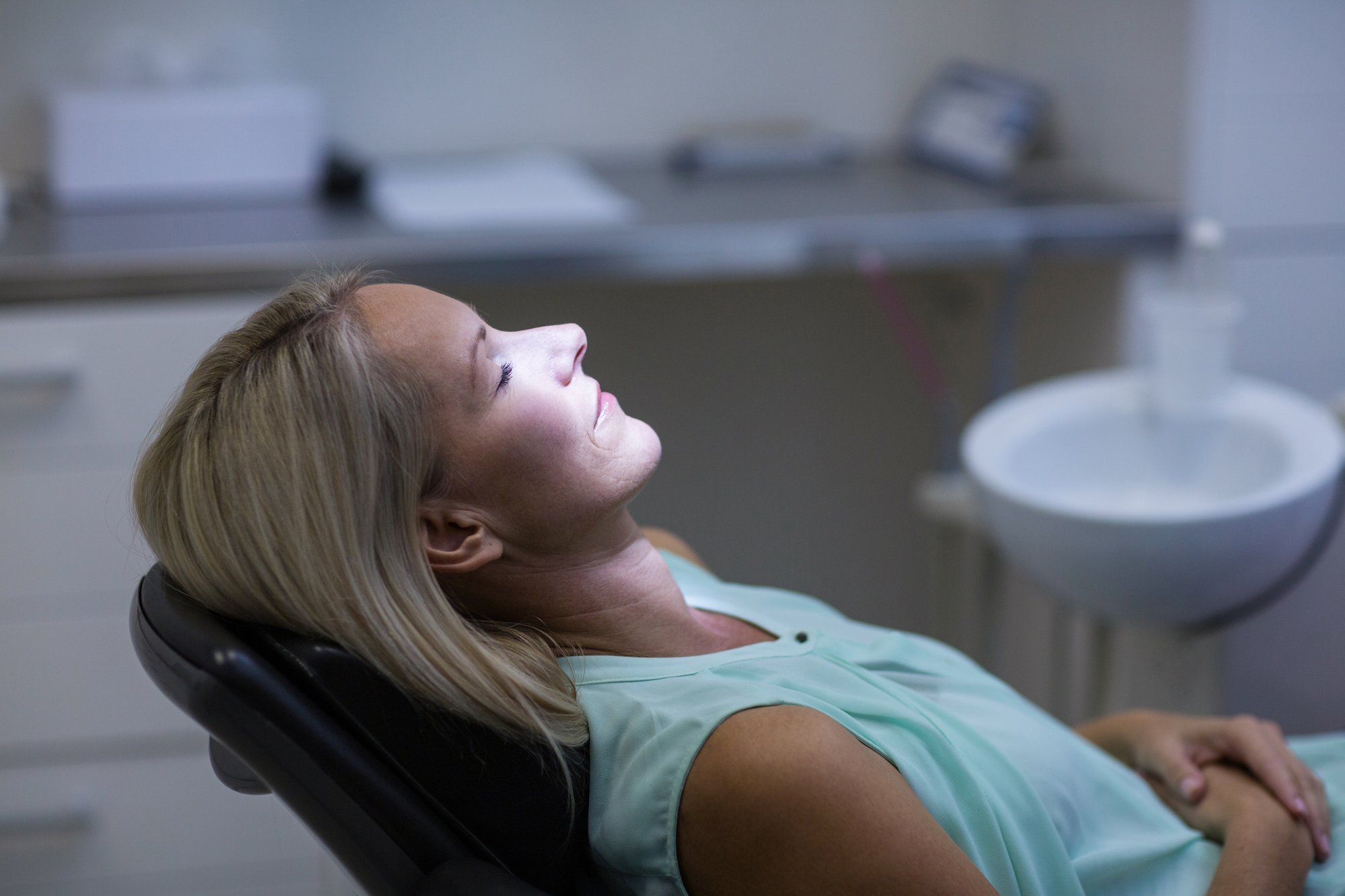
Is sedation dentistry safe for someone who dreads the dental chair? For a healthy patient, the answer is usually yes, provided it’s handled by a trained team with careful monitoring. In short, sedation dentistry relies on carefully dosed medication to settle your nerves and keep you at ease during a procedure. The options run from a light whiff of laughing gas to deeper methods, each meant to take the edge off dental fear. A whole-person approach treats that comfort as part of overall wellbeing.
Key Takeaways
- Sedation dentistry helps anxious patients stay calm during treatment, and it’s generally safe for healthy people.
- Nitrous oxide, the familiar laughing gas, is the lightest and most widely used form, and it clears within minutes.
- Oral and IV sedation go deeper, which means arranging a ride home and closer monitoring.
- A trained team keeps watch on your vital signs the whole time, and that oversight is central to safety.
- A whole-person approach weighs your overall comfort, with the sedation matched to your specific needs.
Is Sedation Dentistry Safe?
When handled correctly, sedation has a strong safety record for healthy patients. The American Dental Association points to nitrous oxide paired with oxygen as a proven, low-risk way to manage anxiety when it’s administered properly. Oral and IV sedation earn the same confidence, as long as a trained provider delivers them and keeps a close eye on you. What matters most is a thorough health review up front and steady monitoring during treatment. Safety drives every step of the process. Together, those safeguards keep the risk very low. Your dental and medical history shape every decision, since no single plan fits everyone.
What Types of Sedation Are Available?
Sedation is administered in different ways, each suited to a different level of nerves. Nitrous oxide, the laughing gas people picture, flows in through a small nosepiece and lifts within minutes of the mask coming off. Oral sedation comes as a prescription tablet that eases you into a deeper calm, and IV sedation, fed slowly through a vein, gives the provider the finest control of all. How anxious you feel and how involved the procedure is together point to the right fit, and a dentist walks through each one so the choice is an informed one. Light nerves often need nothing more than laughing gas, while deeper dread tends to call for an oral or IV route.
Who Is a Good Candidate for Sedation?
Sedation dentistry fits a wider range of people than many assume. It suits anyone who tenses up at the thought of treatment, gags easily, or dreads needles, along with people booked for a long stretch in the chair. A close look at your health history and current medications always comes first. That review guides the dentist toward the safest choice for you. Certain medications and conditions can shift the plan. Sharing them openly keeps you safe.
How Does a Holistic Approach Make It Safer?
Comfort and safety go hand in hand in a holistic practice. The focus is on your whole-person well-being rather than on the single tooth being treated, which shapes how the visit is planned. It means a calm environment, clear communication, and sedation matched to your actual needs rather than a default. Careful monitoring throughout keeps the experience both relaxing and safe. Comfort gets watched as closely as vital signs. The goal is a visit you barely remember worrying about.
What Should You Expect Afterward?
Recovery depends on the type of sedation used. With nitrous oxide, the effects fade quickly, and most people can drive themselves home. Oral and IV sedation last longer, so you’ll need someone to drive you and a quiet rest of the day afterward. Either way, you’ll head home with clear aftercare instructions to follow.
Frequently Asked Questions
Will I be unconscious during sedation?
Usually not. Most forms of dental sedation leave you awake and able to answer, just deeply relaxed. Nitrous oxide and oral sedation ease you into calm without switching off awareness, and true unconsciousness belongs to general anesthesia, used only in select cases.
Is laughing gas safe?
Yes. Nitrous oxide ranks among the safest and most widely used options; it clears within minutes of the mask coming off, and many people drive themselves home.
Can sedation help with severe dental anxiety?
Absolutely. For many people, it’s what finally makes long-avoided care possible. Deeper routes like oral or IV sedation fit higher levels of anxiety, and a dentist can match the approach to your comfort level.
Comfortable, Safe Care for Anxious Patients
So, is sedation dentistry safe? For a healthy patient, it’s a safe, closely watched way to turn a stressful appointment into a calm one. Backed by a careful health review, trained providers, and a whole-person focus on comfort, sedation dentistry keeps fear from standing between you and healthy teeth. A consultation is the easiest way to land on the option that suits you.
If you want to learn more about relaxing through your next visit, visit our Sedation Dentistry in Laguna Niguel, CA page or schedule a consultation.