
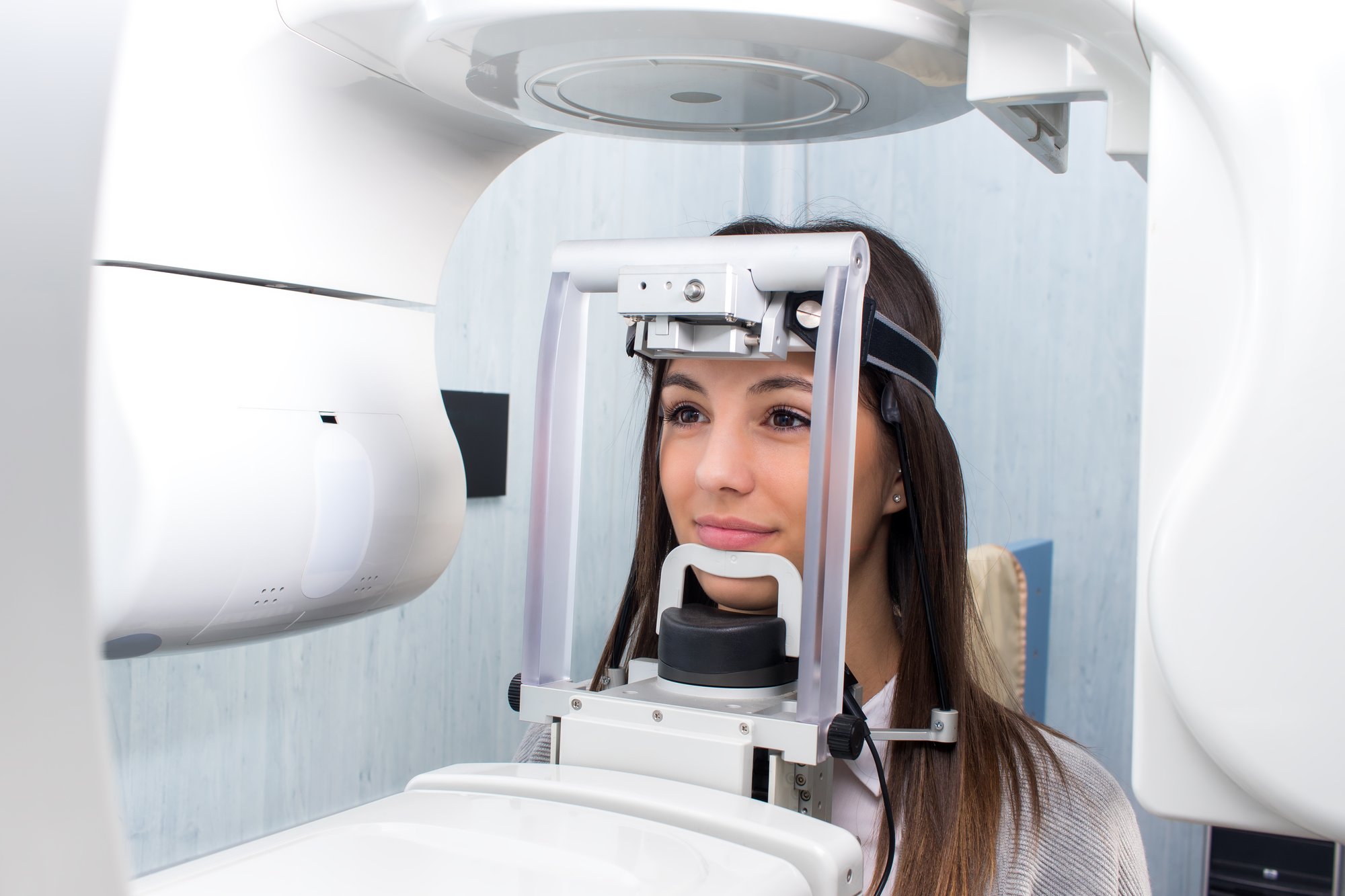
Wondering if the X-rays at your dental visit are as safe as they claim? Are digital X-rays safer than the film kind you may remember? Digital X-rays are dental images captured by an electronic sensor instead of traditional film. They use far less radiation and no developing chemicals, which fits naturally with a holistic, low-toxicity approach to dental exams. It is the kind of gentle, modern care that lets you relax like an afternoon at the Niguel Botanical Preserve.
Key Takeaways
- Digital X-rays use far less radiation than film. Estimates range up to about 80 to 90 percent less.
- They need no chemical developing. That means less waste and a cleaner process.
- Images appear instantly for review. Fewer retakes mean even less exposure.
- Lower radiation fits a holistic, low-toxicity philosophy. Safety and wellness go hand in hand.
- X-rays remain a key part of a thorough dental exam. They reveal problems hidden below the surface.
Are Digital X-Rays Safer Than Traditional Ones?
For most people, the answer is yes, and the difference is meaningful. According to Colgate, digital X-rays deliver significantly less radiation to the patient than traditional film. They also skip the chemical developing that older film requires. That combination makes them both safer for you and gentler on the environment. There are no film chemicals to develop, store, or dispose of afterward. For a practice focused on low-toxicity care, that matters as much as the lower dose.
How Much Less Radiation Do They Use?
The reduction is larger than many people expect. Digital sensors are so sensitive that they capture a clear image with a fraction of the radiation film needs. Estimates commonly range up to about 80 to 90 percent less exposure. For anyone who values a low-toxicity approach, that drop is a meaningful benefit. To put it in perspective, a single digital image adds only a tiny fraction to your everyday background radiation. That is a very small trade for catching problems you could not otherwise see.
Why Do Digital X-Rays Fit a Holistic Approach?
A holistic practice looks at the whole person and the whole process. Digital X-rays support that mindset by lowering radiation and removing developing chemicals entirely. There is no darkroom waste and no harsh solutions to handle or dispose of. Cleaner, lower-exposure imaging aligns with a non-toxic, wellness-focused philosophy.
It also keeps the whole visit calmer and more comfortable for you. Fewer chemicals and less radiation simply feel more in tune with natural, whole-body care. That thoughtful, low-impact care is what sets a holistic office apart. Patients often feel better knowing their care avoids needless exposure.
What Are the Other Benefits?
Lower radiation is the headline, but it is far from the only advantage. Digital imaging improves nearly every part of the experience for you and your dental team. Each one adds up to a smoother, safer visit.
- Instant Images. Results appear on screen at once — no waiting for film.
- Fewer Retakes. Clear images the first time, which means less exposure.
- No Chemicals. No developing solutions needed — cleaner and greener.
- Sharper Detail. Images can be zoomed and enhanced, so problems are caught earlier.
- Easy Sharing. Records are stored and sent digitally — great for referrals and records.
Are Dental X-Rays Necessary at All?
Even with low radiation, some people wonder if X-rays are needed. The truth is they reveal problems a visual exam cannot, like decay between teeth, bone loss, and issues below the gumline. A good practice takes them only as often as your health calls for, not on autopilot.
Used thoughtfully, they are a valuable part of a careful dental exam. The images reveal early decay while it is still small and easy to treat. Skipping them entirely can let hidden problems grow unnoticed. The small dose is a fair trade for the early answers they give.
How Often Should You Get Them?
Dental X-rays do not follow a single fixed schedule for everyone. How often you need them depends on your age, your risk of decay, and your dental history. Someone with healthy teeth may need them far less often than someone prone to cavities. For many people, a set every year or two is plenty.
Our holistic dentist tailors the timing to your needs rather than a fixed routine. That personalized timing keeps your exposure as low as it can reasonably be. The aim is always the most benefit for the least exposure. It is exactly the balanced, thoughtful approach a holistic practice aims for.
Modern Imaging, Gentler Care
So are digital X-rays safer than traditional ones? For radiation exposure and chemical use, the answer is yes. As part of thoughtful dental exams, digital imaging gives your dental team the information they need with far less exposure. It is modern technology and holistic care working together on your behalf.
If you want to learn more about the safety of digital X-rays, visit our Digital X-Rays in Laguna Niguel, CA page or schedule a consultation.